Stop treating your business like a sprint towards an exit
Spend any time in agency groups or growth summits and the message is relentless. Scale quickly. Increase profit. Push hard. Repeat. It is usually packaged with bold promises about what is possible in six months, and it often creates a feeling of inadequacy for anyone moving at a normal human pace.
The pressure is constant, but it rarely comes from the work itself. It comes from the noise around the work.
Most pressure comes from the noise, not the work
Much of the urgency founders feel is inherited. It comes from advisors, peers, and social feeds that reward speed and visibility. When you are surrounded by stories of rapid growth, it is easy to assume that if you are not sprinting, you are falling behind.
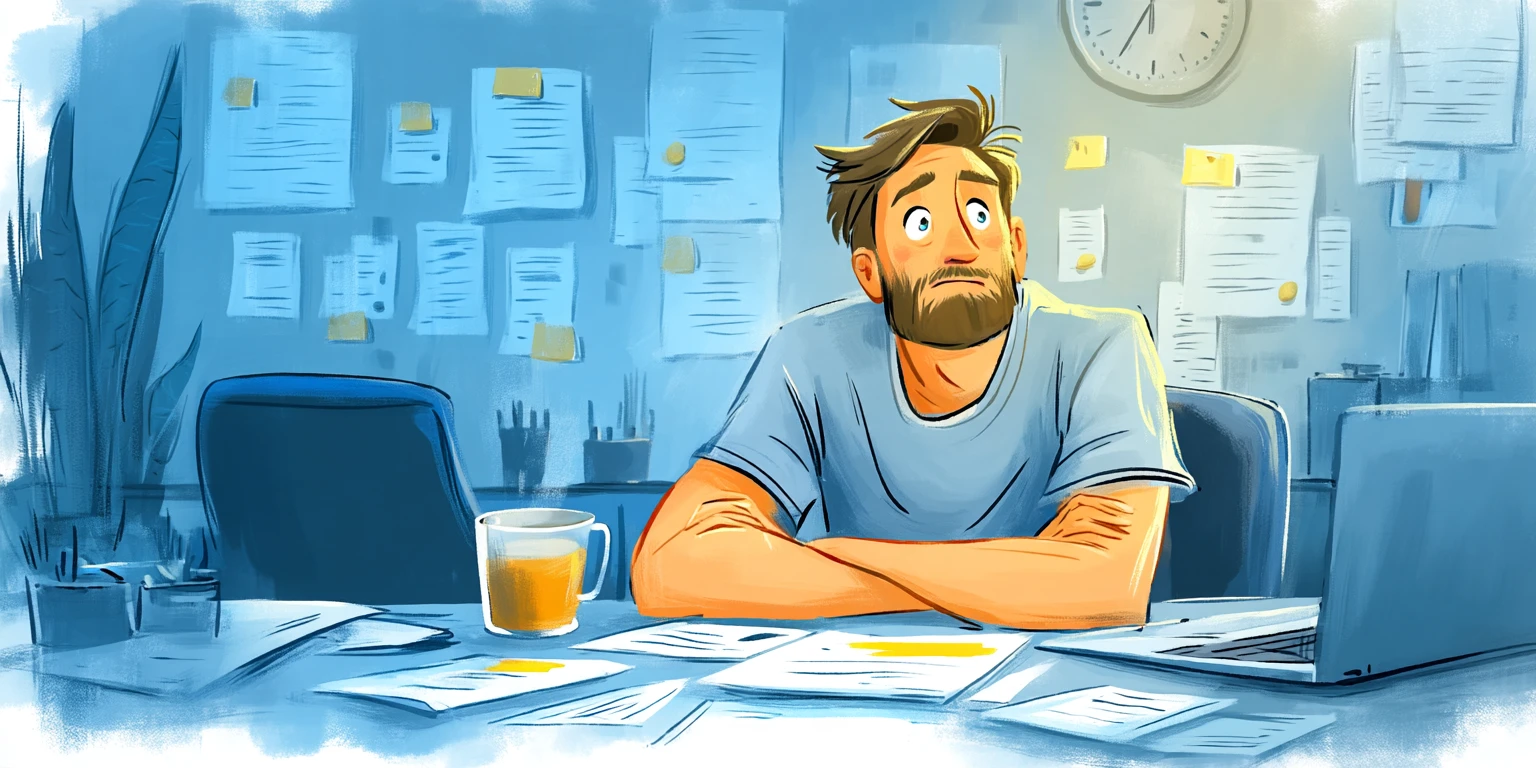
But when you look closely at how this pressure plays out inside a real agency, the cost becomes clear. It shows up in the quiet costs that never appear on the P&L. Overwhelm. Constant friction. Teams pushing back because things are changing too fast to stabilise.
Over time, that friction drains energy.
Quiet costs do not show up on the P&L
Many founders begin to resent the very thing they are working so hard to build. The day to day becomes a series of problems to solve rather than something they enjoy showing up to.
Hiring happens quickly just to keep delivery moving. Roles blur. Standards slip. The business still grows on paper, but it starts to feel heavy to run.
I have seen founders hit the numbers and still feel trapped, because the business they built was never designed to be liveable.
When growth becomes a way out, not a goal
As the business becomes more painful, a subtle pattern often appears. Growth stops being about opportunity and starts becoming about escape. The thinking shifts towards selling, exiting, or reaching a future point where things will finally feel easier.
Founders spend years building towards an exit not because they want to sell, but because they want the noise to stop.
That belief quietly shapes decisions, and it adds more pressure, not less.
Short timelines distort good decisions
This is where time horizons matter.
When everything is framed around twelve months, decisions become brittle. You hire quickly to plug gaps. You chase work that looks good now but causes strain later. You tolerate mess because you believe it is temporary.
But temporary pressure has a habit of becoming permanent.
What changes if you remove the artificial deadline and stop asking where you need to be in a year. What if you asked instead what kind of business you could live with for the next twenty years.
A longer time horizon changes how the work feels
When founders shift their horizon from two years to twenty, something important happens. The panic eases. Decisions slow down just enough to become deliberate.
You still work hard, but you stop reacting to every wobble. You build systems that can actually hold weight. You hire people who fit the culture rather than bodies to absorb pressure. You refine what works instead of constantly reinventing.
The emotional texture of the work changes. The business feels steadier. You start building a reputation through consistency rather than chasing attention through noise.
Long term businesses are built from quieter decisions
You do not need a dramatic plan. You need a set of calmer decisions repeated consistently over time.
For example:
• Hiring for fit and stability rather than speed
• Protecting delivery quality because trust compounds
• Simplifying and repeating what works instead of adding complexity
• Choosing clients you can serve well for years
• Treating overwhelm as a signal to adjust, not a cue to push harder
Most founders underestimate what steady progress over a decade can do. While others burn out, pivot, or exit unhappily because they cannot sustain the pace, you can become the business that is still here.
A business clients rely on because you are consistent. A business that supports your life rather than consumes it.
You do not need to scale fast. You do not need to chase a number that looks good on a slide deck but feels terrible on a Monday morning.
You need to build something you are proud to show up for. Take your time. If you build for the long term, you will likely get further than you think, and you might actually enjoy the journey.